Cloud & System Operations — Keeping Your Systems Running
Cloud & system operations means deploying a built system to the real environment and keeping it running reliably after it goes live. TECH2030 handles everything from deciding where data lives and what gets sent, to incident alerts, remote deployment, remote monitoring, and incident response. We operate not only systems TECH2030 built but also systems built by other companies.
- 4
- StepsAssessment · Design · Build · Operation & adoption
- 2
- Related topics
- 1
- Related insights
- 4
- Languages
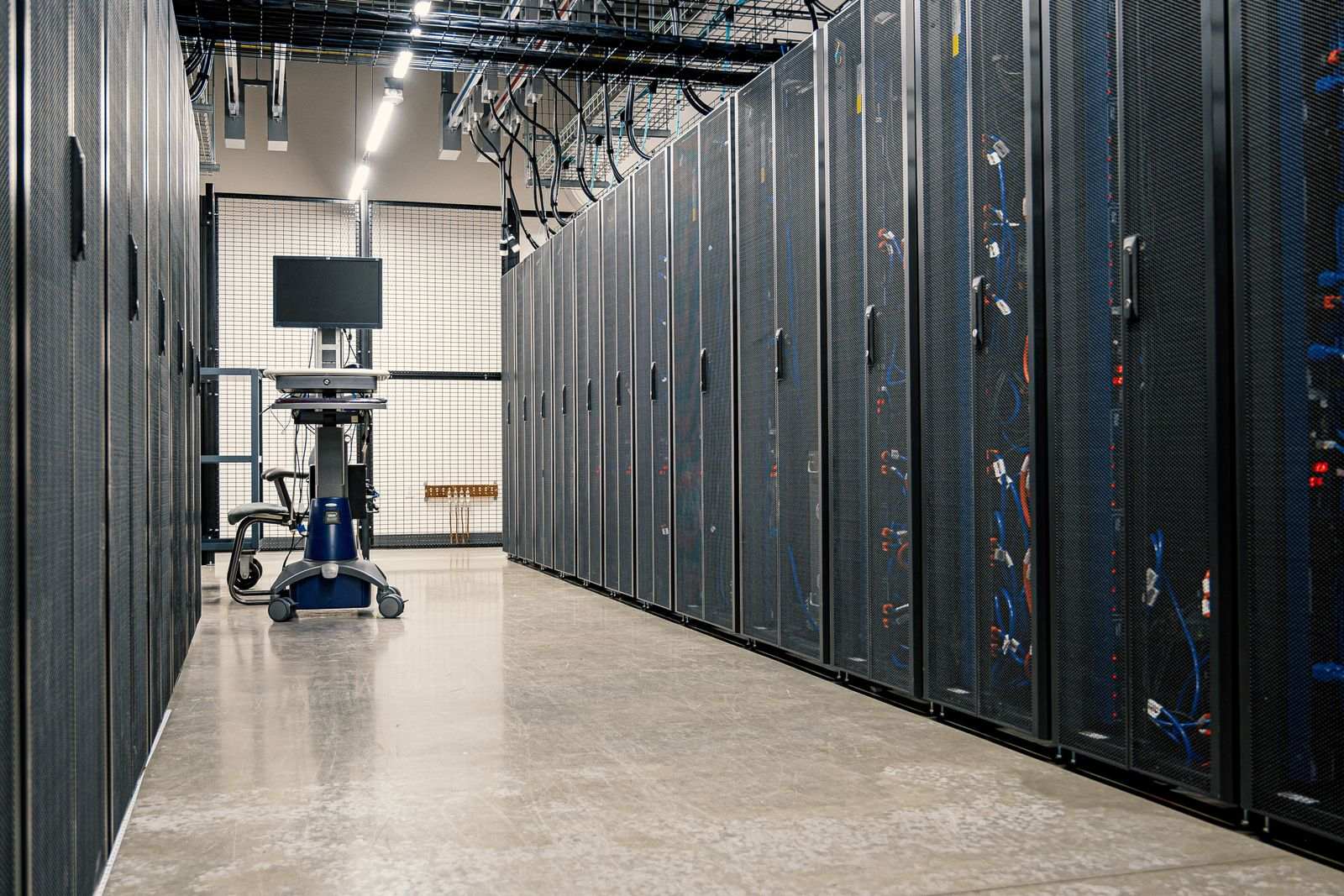
What TECH2030 does
- Data placementSensitive raw data stays on on-site servers, and only the results needed are encrypted and sent to headquarters.
- Incident alertsYou are alerted right away when a system fails or a data transfer fails.
- Remote deploymentNew versions are deployed remotely, without going on-site.
- MaintenanceAfter go-live, we continue remote monitoring and incident response.
We set security boundaries first
We define security requirements — data export restrictions, on-premises or VPC setups, logging requirements — at the design stage, then build to them.
Deployment accounts belong to you
Deployment environments (Vercel, AWS, etc.) are set up under your company's accounts. Monitoring and improvement after launch can continue as monthly maintenance.
How it connects to other services
We continue operating systems built through our custom development, and also take over operations for systems built by other companies.
Process — Assessment → Design → Build → Operation & Adoption
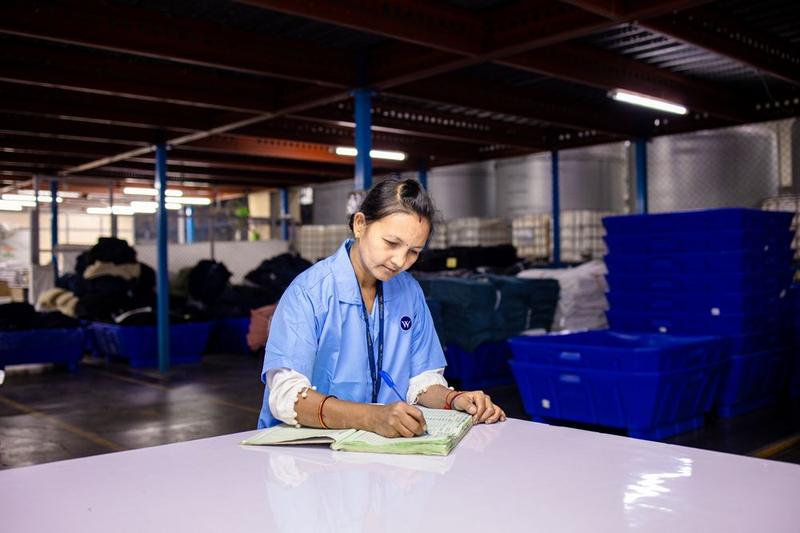 STEP 1
Assessment
We check where the systems and data to operate are, and what security requirements apply.
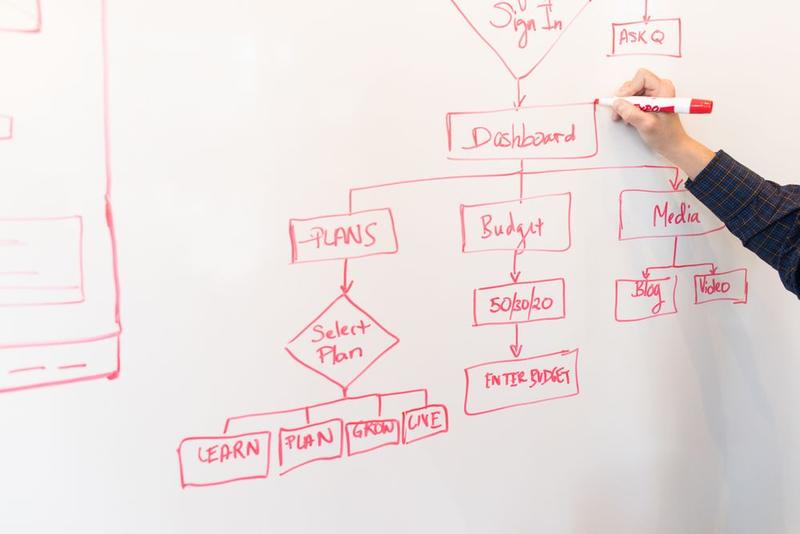 STEP 2
Design
We decide data placement, transfer method, alert criteria, and deployment method.
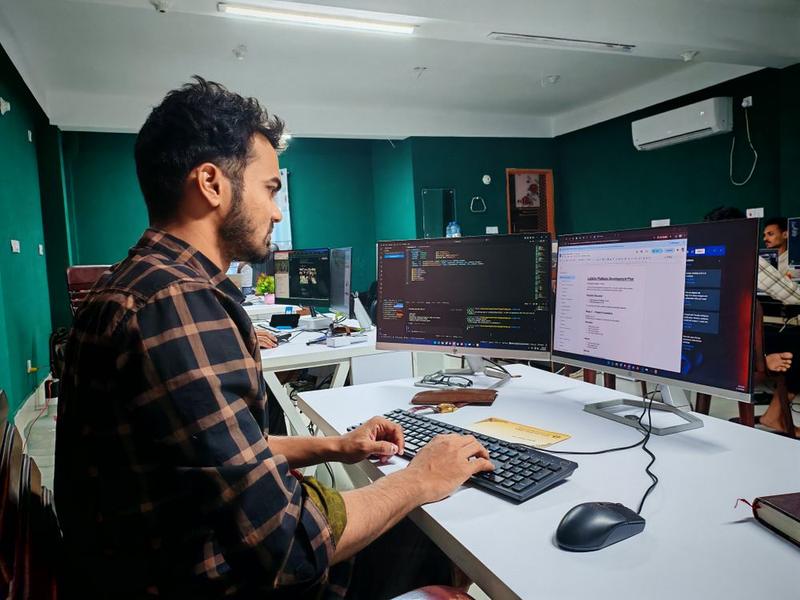 STEP 3
Build
We set up servers, transfers, alerts, and the remote deployment environment.
 STEP 4
Operation & adoption
We continue remote monitoring and incident response, and keep improving.
Deliverables
- Data placement & transfer setup
- Outage & failed-transfer alerts
- Remote deployment environment
- Operations documents and maintenance plan
What determines the scope
- Number and location of systems to operate (on-site servers, cloud)
- Security requirements (data export restrictions, on-premises, VPC)
- Scope of monitoring and incident response
Checklist before you start
- Systems to operate and where their servers are
- A list of data that must not leave
- Who should be contacted when something fails
- Who owns the deployment accounts
Latest on Cloud & System Operations
Frequently asked questions
Can you take on systems built by other companies?
Yes. We operate not only systems TECH2030 built but also systems built by other companies.
Can sensitive data stay inside?
Yes. We set things up so raw data stays on on-site servers and only the results needed are encrypted and sent to headquarters.
How do we find out about outages?
We set up alerts for system failures and failed data transfers, and respond through remote monitoring.
Who owns the deployment accounts?
Deployment environments (Vercel, AWS, etc.) are set up under your company's accounts.
How does maintenance continue?
After go-live, remote monitoring, incident response, and improvements can continue as monthly maintenance.