Manufacturing DT (Digital Transformation) — From Scattered Records to Equipment Data on One Platform
DT (digital transformation) is the work of moving records scattered across departments, documents written by hand, and the operating status of equipment into digital data, so they can be viewed and used on one platform. TECH2030 carries out DT for labor-intensive manufacturing sites, and it is the first step toward a digital twin and a smart factory.
- 4
- StepsAssessment · Design · Build · Operation & adoption
- 3
- Related topics
- 3
- Related insights
- 4
- Languages
What TECH2030 does
- We gather records scattered across departments and teams in one place.
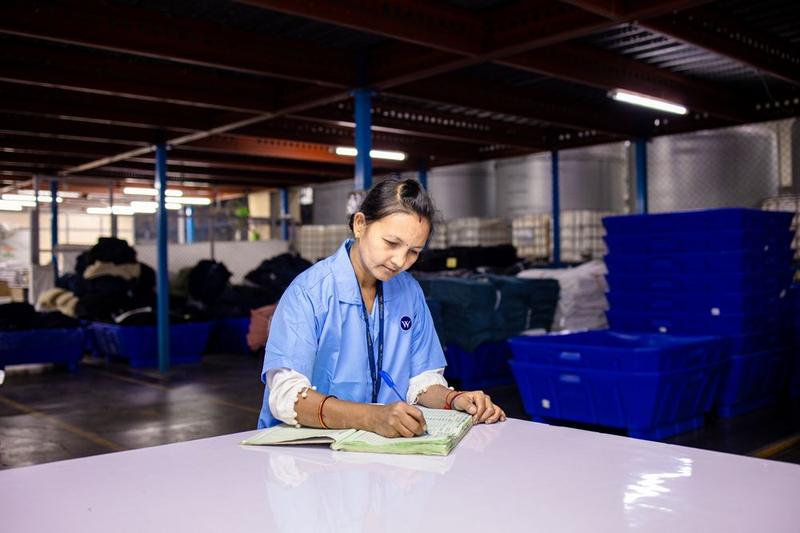
- We move documents that were written by hand onto an integrated platform, so they can be opened anytime, anywhere.
- We attach IoT sensors to each piece of equipment to capture and quantify its operating status.
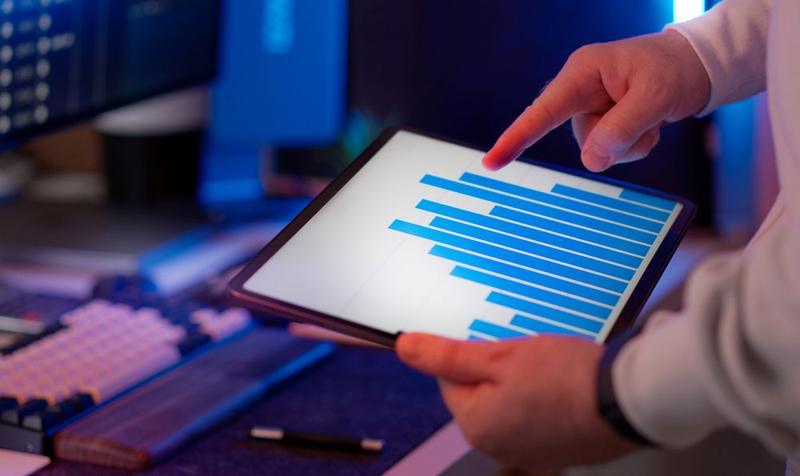
- We build dashboards so the plant's status can be checked even from outside the plant.
- We keep existing systems such as MES and ERP as they are and integrate with them. For each system, the connection is chosen from an API, an intermediate table, or file transfer.
DT → Digital Twin → Smart Factory
The data gathered through DT becomes the foundation of the digital twin, and the smart factory runs on top of it.
Process — Assessment → Design → Build → Operation & Adoption
 STEP 1
Assessment
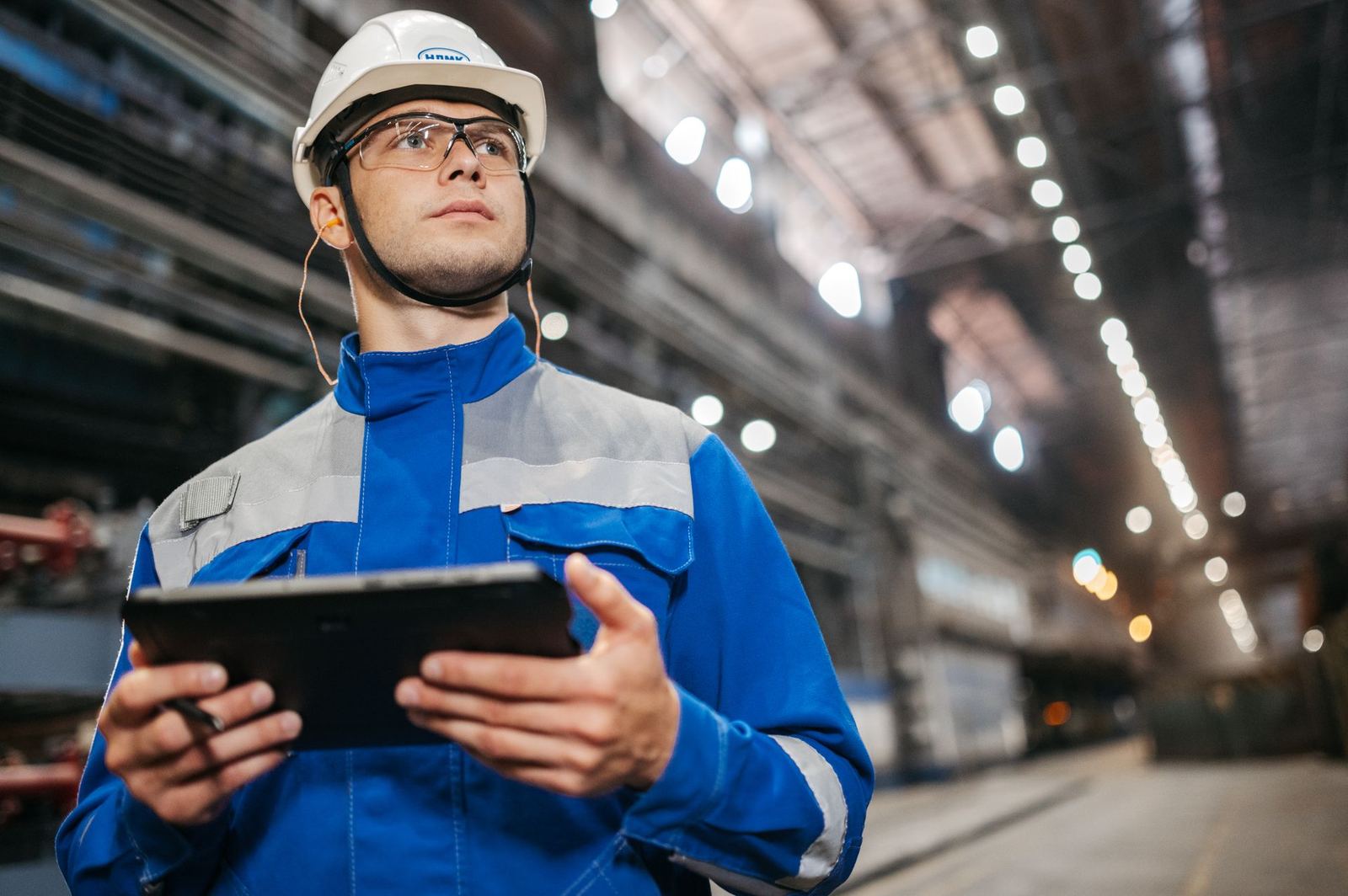
We identify where records are kept and in what format, which documents are written by hand, and which equipment you want to monitor.
 STEP 2
Design
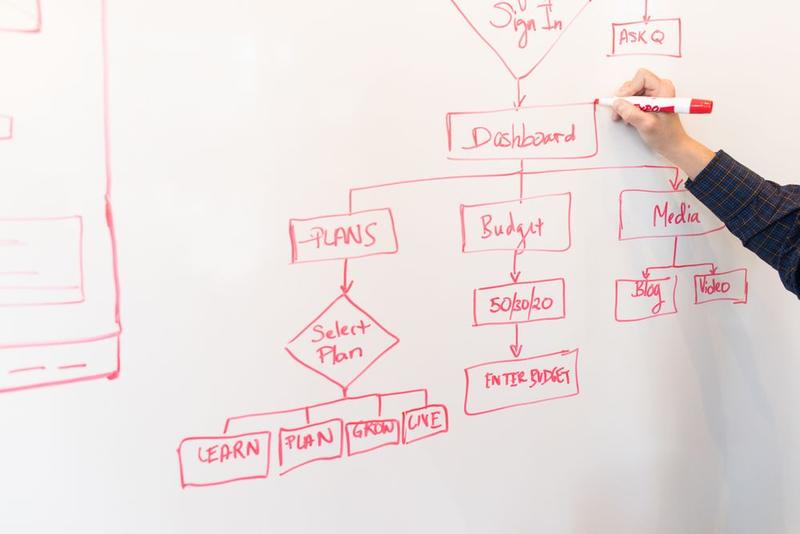
We decide the structure of the integrated platform, which equipment gets sensors, and how to connect with existing systems.
 STEP 3
Build
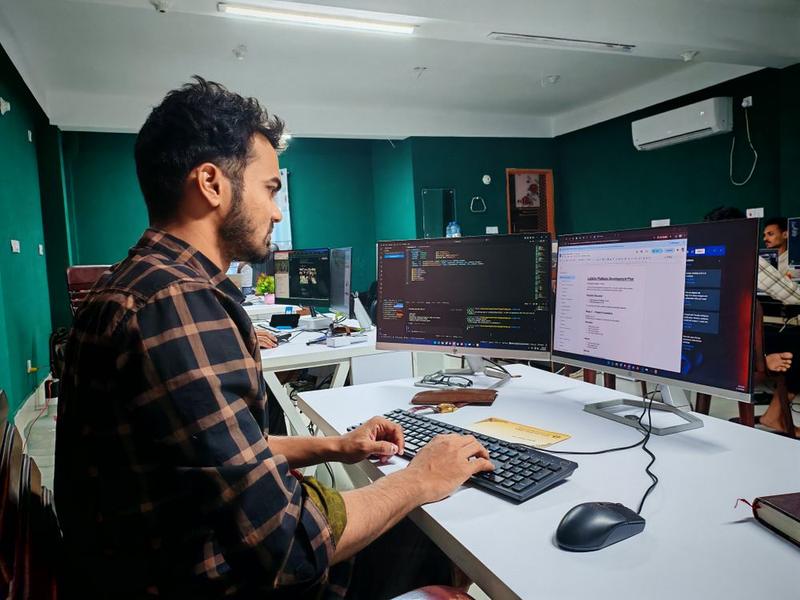
We build the integrated platform, the equipment sensors, and the status dashboard.
 STEP 4
Operation & adoption
We refine things while checking that the site actually uses them and that data accumulates correctly.
Deliverables
- Integrated document and records platform
- Equipment data collection (IoT sensors)
- Plant status dashboard
- Integration with existing systems
What determines the scope
- The volume and format of scattered records
- The types of handwritten documents
- The number and types of equipment to fit with sensors
- How existing systems can be integrated
Checklist before you start
- Where your records are now, and in what format
- A list of documents written by hand
- The equipment whose operating status you want to see
- The systems you use (MES, ERP, etc.) and who manages them
- The indicators you want to see from outside the plant
Latest on Digital Transformation (DT)

Frequently asked questions
Are DT and DX the same thing?
Yes. Both refer to digital transformation.
How is DT different from AX?
If DT moves work and equipment into data, AX redesigns work on top of that data so that AI takes on judgment, generation, and responses.
We already use MES or ERP. Do we have to replace them?
No. We keep existing systems as they are and integrate with them.
Can we get data from old equipment?
We attach IoT sensors to equipment to receive its operating status as numbers. Whether a sensor can be fitted is checked for each piece of equipment during assessment.
What comes after DT?
The gathered data is used to build a digital twin, and from there you move on to a smart factory.