Smart Factory Build — Analyze and Plan Production with the Data You've Gathered
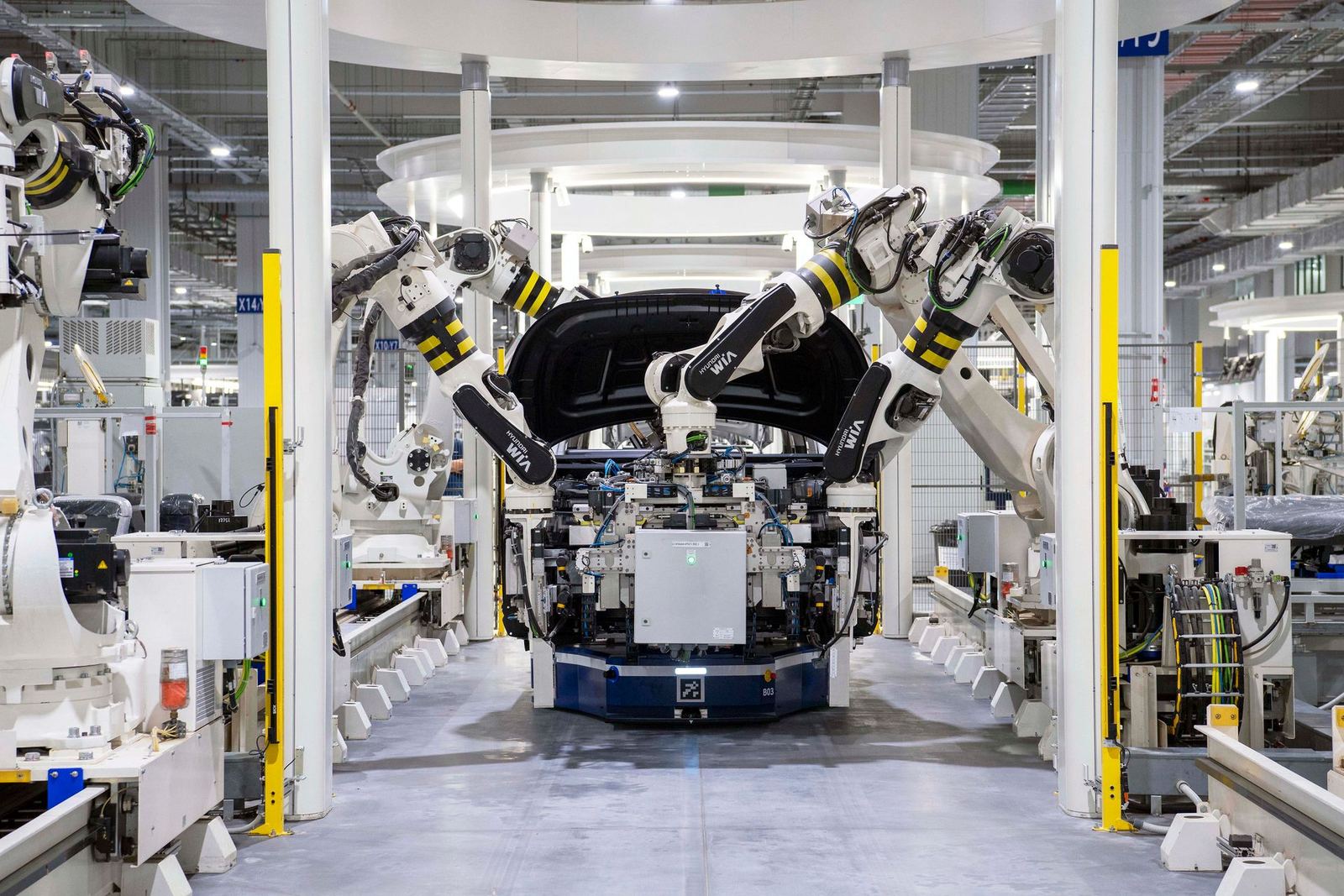
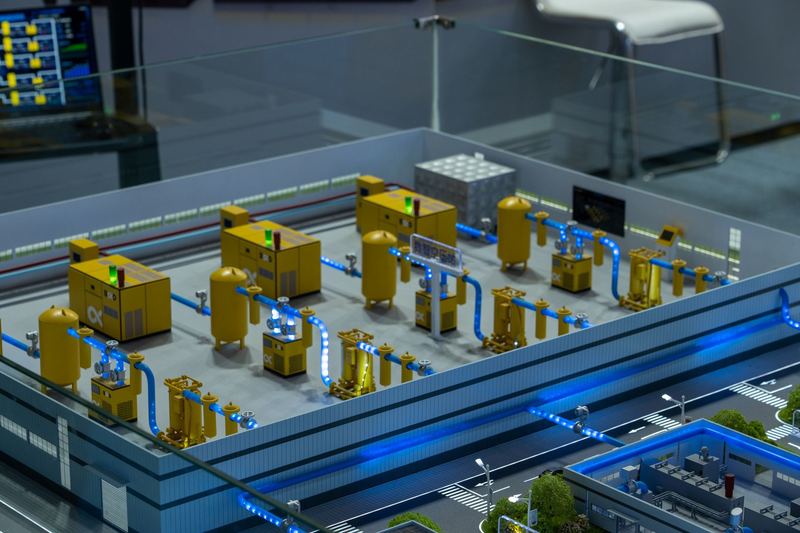
A smart factory is a plant where systems analyze production and even propose plans, based on the plant's equipment and production data. TECH2030 transforms labor-intensive manufacturing sites into smart factories by way of DT and the digital twin, confirming the effect on a pilot line first and then expanding to the whole plant.
- 5
- StepsPropose a plan · Manager approval · Deploy · Check results · Correct the next plan
- 4
- Related topics
- 7
- Related insights
- 4
- Languages
What TECH2030 does
- On top of the data gathered through DT and the digital twin, we analyze productivity by equipment and production by line.
- We keep existing systems such as MES and SAP as they are and integrate with them.
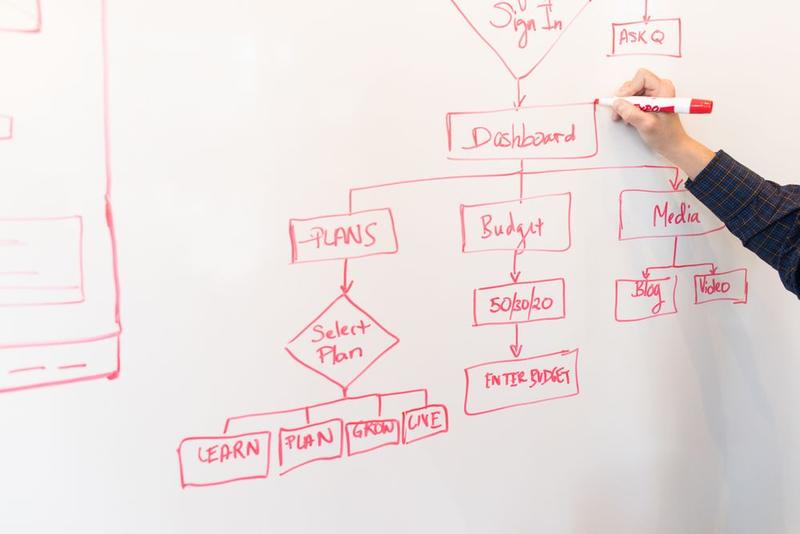
- A production planning engine proposes weekly production plans and staffing, which are deployed to the floor after a manager approves them.
- The gap between plan and actual results, and its causes, are reflected in the next plan. This cycle runs once every day.
- We measure the effect on a pilot line first, check the criteria for moving to each next stage, and then expand to all lines.
DT → Digital Twin → Smart Factory
The smart factory is the final stage of this flow. Production is analyzed and planned on top of the data gathered through DT and the plant recreated in the digital twin.
How production planning runs every day
Propose a plan
Propose weekly production plans and staffing.
Manager approval
A manager reviews, adjusts, and approves.
Deploy
Send staffing charts and work plans to the floor.
Check results
Check the gap between plan and actual results, and its causes.
Correct the next plan
Reflect the confirmed gap in the next plan.
Process — Assessment → Design → Build (Pilot Line) → Operation & Adoption
 STEP 1
Assessment
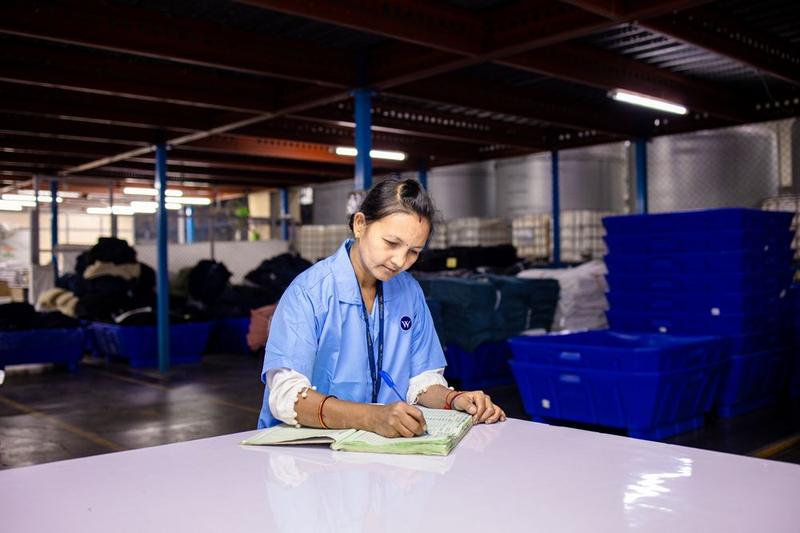
We check how production plans are made today and what data and systems exist.
 STEP 2
Design
We decide the indicators to analyze, the data to feed the planning engine, the pilot line, and the expansion criteria.
 STEP 3
Build (pilot line)
We run analysis and planning on the pilot line first and measure the effect.
 STEP 4
Operation & adoption
After confirming the criteria, we expand to all lines and embed the daily plan-and-correct cycle on the floor.
Deliverables
- Production analysis view (productivity by equipment, line comparison)
- Production planning engine (weekly plan and staffing proposals)
- Approval and deployment flow
- Plan-versus-actual correction
- Integration with existing systems
What determines the scope
- The number of lines and equipment
- Existing systems and the current planning method
- How complete the data for planning is
- The scope of the pilot line and the expansion stages
Checklist before you start
- How production plans are made today
- The systems you use and who manages them
- The line to start the pilot on
- Who will approve plans
- The indicators for judging the effect
Latest on Smart Factory
Related topics


Frequently asked questions
Is it applied to the whole plant from the start?
No. We measure the effect on a pilot line first, check the criteria for each next stage, and then expand to the whole plant.
Does the system decide the production plan?
The planning engine proposes weekly plans and staffing, and a manager approves them to finalize.
Do we have to replace our existing MES or SAP?
No. We keep existing systems as they are and integrate with them.
Do we need DT and a digital twin first?
A smart factory runs on top of the data gathered through DT and the digital twin.
What happens if the plan diverges from reality?
The gap between plan and actual results, and its causes, are reflected in the next plan.